The Hindon:
A Story of the Dead River
The Hindon River was declared a dead river in 2015, yet many people remain unaware of the extent of its ecological degradation and the factors contributing to it. Existing information is dispersed across research papers, government reports, and scientific datasets, making it difficult for non-experts to understand. This project reimagines environmental communication by designing an interactive digital experience that transforms complex research into a clear, engaging, and human-centered narrative to spread awareness.

Category:
Thesis Final Year MDes
Time
6 Month
The Hindon River, once an important tributary of the Yamuna, has gradually transformed into one of India's most polluted rivers. While reports and environmental data exist, most people remain disconnected from its ecological crisis because the information is fragmented, technical, and emotionally distant.

The Challenge
The challenge was to design an experience that could bridge this gap by making environmental information understandable, engaging, and emotionally meaningful.
The Solution
I designed an interactive storytelling website that combines research, maps, archival material, photography, interviews, videos, and data visualizations into a single narrative experience.
Instead of presenting facts as isolated statistics, the platform guides users through the river's transformation—from a living ecosystem to an environmentally distressed landscape—encouraging reflection and awareness.

Research Process
Secondary Research
I reviewed reports from CPCB, NMCG, government publications, research papers, environmental NGOs, news archives, satellite imagery, and historical documents to understand the river's ecology, pollution sources, biodiversity loss, urbanization, restoration efforts, and public perception.
Primary Research
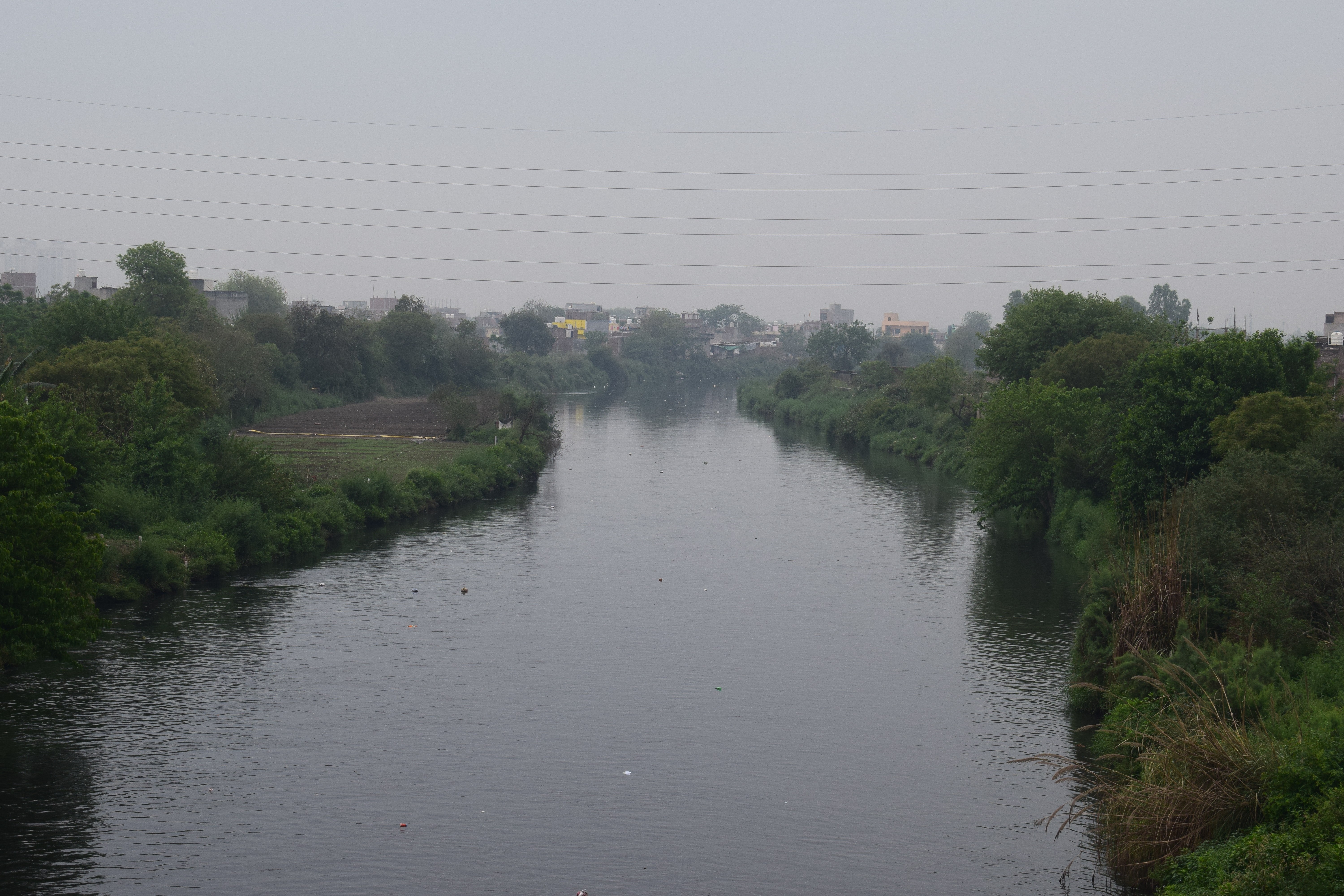
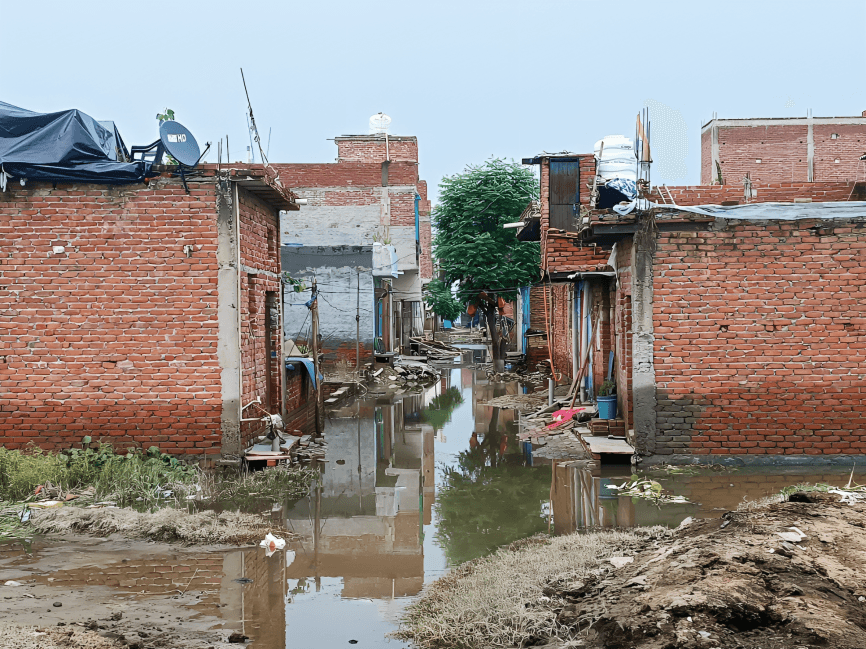
I conducted field visits to Hindon Barrage, Chhath Ghat, Shamshan Ghat, the Gaur City stretch, nearby villages, and agricultural regions. These visits helped me document on-ground conditions such as sewage discharge, industrial waste, foam accumulation, water hyacinth, reduced water flow, and community interactions, providing firsthand insights into the river's current state.

Through the combined use of street photography, I capture the real scenario in granular detail while preserving its emotional depth and along with it Maps allowed me to document the spatial and geographical context locating events, patterns, and movement within their actual physical setting.



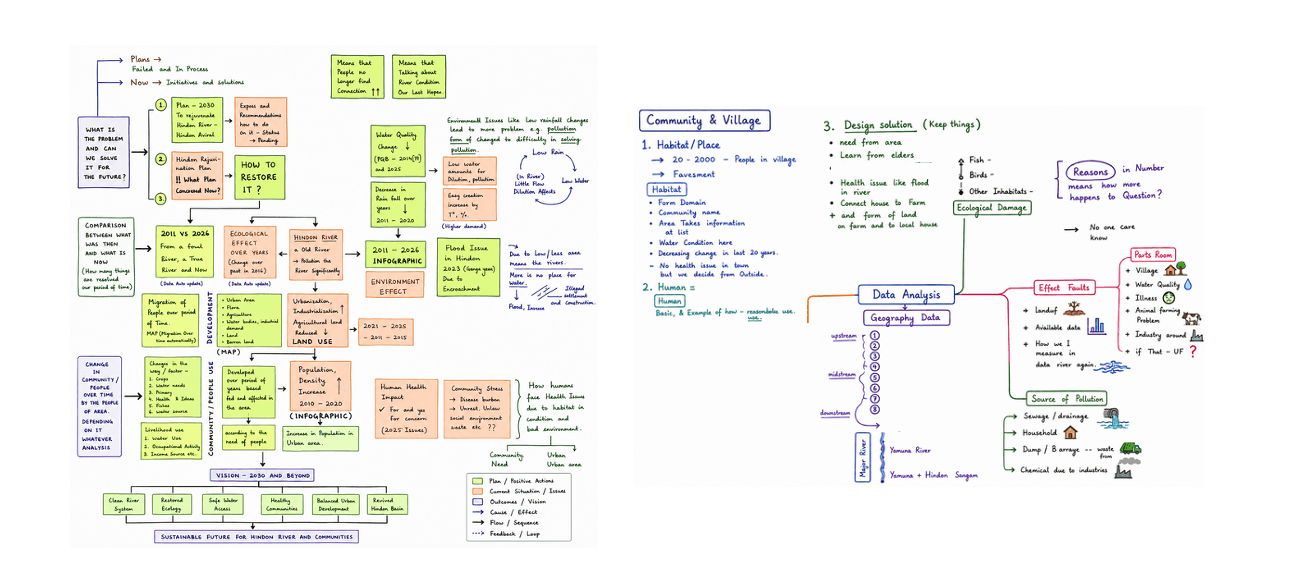
Research Insights/Analyses
Analysing all the data together to make meaningfull story and make people understand from basics to the complexity of the problem.

The project follows a story-driven structure, guiding users through the Hindon River's transformation from a thriving ecosystem to a "dead river." By combining research, field observations, interviews, and data visualizations, the experience builds awareness through a cohesive and engaging narrative rather than presenting information in isolation.
Every design decision in this project was made with intention and backed by a thorough design process. From research and exploration to iterations and validation, each screen reflects careful thinking, attention to detail, and a strong focus on creating meaningful user experiences.


Iterations/Testing
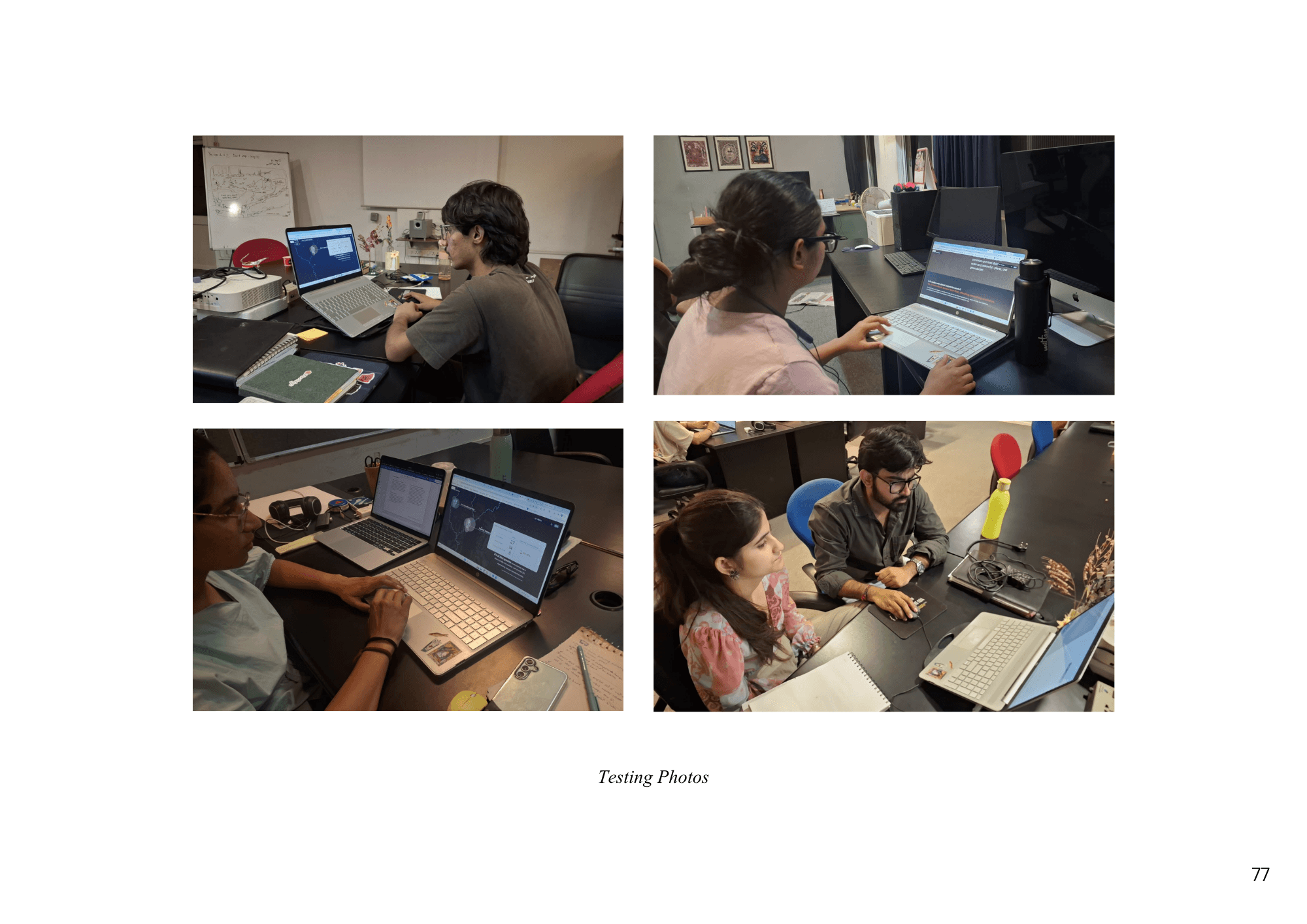
The design underwent multiple iterations based on feedback from mentors, peers, and usability testing sessions. Throughout the process, I refined the information architecture, storytelling flow, navigation, visual hierarchy, and data visualizations to improve clarity and engagement. Testing helped identify areas where users struggled with content comprehension and navigation, leading to a more intuitive, accessible, and cohesive storytelling experience
A comprehensive documentation of my thesis project, capturing the complete design process—from research and fieldwork to ideation, iterations, and the final interactive solution.
Are you ready to see more?